

Bacterial Vaginosis
Bacterial vaginoses are infections caused by dysbiosis/imbalance of the vaginal microbiota, with a predominance of anaerobic bacteria such as Gardnerella vaginalis. This condition is often associated with a reduction in lactobacilli and an increase in vaginal pH, which is physiologically more acidic. Clinically, it manifests as a fluid, homogeneous vaginal discharge, grayish, yellowish, greenish, or white in color, accompanied by an unpleasant odor, often described as a “fishy smell.” The diagnosis is confirmed by the evaluation of vaginal secretions, so identifying these characteristics is crucial for management.
Model objectives:
Clinical recognition: Identify characteristics of the typical discharge, such as grayish color, fluid appearance, and foul odor (fish-like).
Diagnostic differentiation: Differentiate bacterial vaginosis from other causes of vaginal discharge, such as candidiasis and sexually transmitted infections (STIs).
Therapeutic improvement: Simulate clinical approaches, including diagnosis, treatment, and management of recurrent cases.
Health education: Provide guidance on prevention, intimate hygiene, and the importance of appropriate treatment to avoid complications.
Construction
Materials
- 01 can of tuna in water
- Cornstarch
- Water
Instructions
|
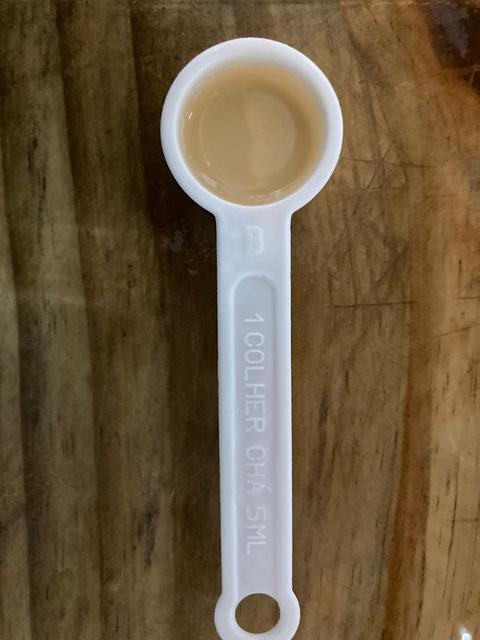
1. Strain the tuna, extracting only the liquid from the can, and set aside one teaspoon.
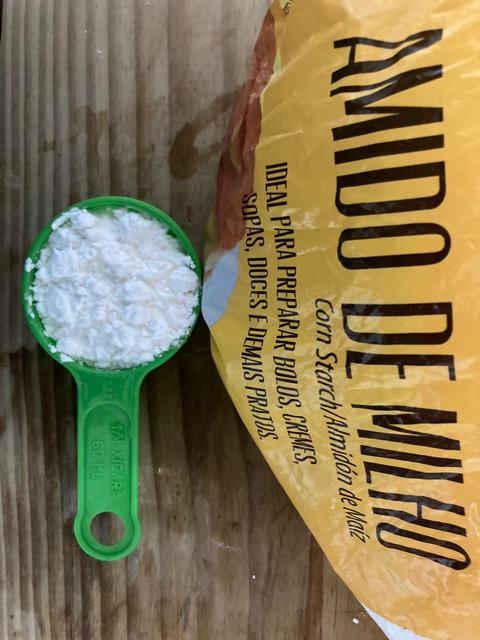 |
2. In a pan, add half a cup of water and 1/4 cup of cornstarch. Dissolve the starch in the water and then heat over low heat until the solution boils. Keep on the heat until the solution reaches a creamy consistency.
 |
3. Finally, add the teaspoon of tuna liquid and mix, resulting in the bacterial vaginosis discharge simulator.
Simulation
 |

https://forms.gle/oCYFdr8UbN1Gt4Bi8
|




