

Candidiasis
Vaginal candidiasis is an infection caused by the excessive growth of the fungus Candida albicans, generally associated with imbalances in the vaginal microbiota or immunological changes. It is a common condition that presents with symptoms such as intense itching, burning, and local discomfort. The vaginal discharge characteristic of candidiasis is thick, white in color, with a lumpy appearance similar to “cottage cheese,” generally without a strong odor. Recognizing this characteristic is essential for clinical diagnosis and the initiation of appropriate treatment.
Model objectives:
- Clinical recognition: Identify typical characteristics of the discharge associated with candidiasis, such as white color, lumpy appearance, and absence of a strong odor.
- Diagnostic differentiation: Distinguish candidiasis from other causes of vaginal discharge, facilitating correct diagnosis.
- Therapeutic improvement: Simulate appropriate conduct, including guidance on treatment and prevention of recurrences.
- Health education: Provide information on risk factors, intimate hygiene care, and warning signs for seeking medical care.
Construction
Materials
- Half a cup of whole milk
- 1/2 tablespoon of white vinegar
- 1 teaspoon of fermented milk
Instructions
  |
- Place the milk in a pan and heat it. When it reaches a boil, add the measured amount of vinegar.
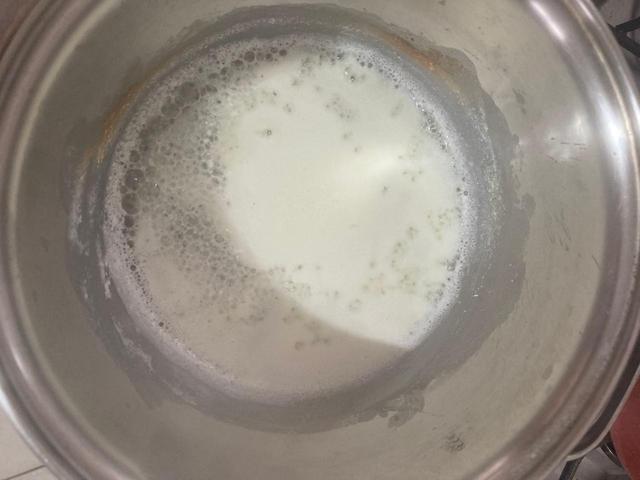 |
- At this point, the milk will coagulate; keep it boiling for one more minute. Then filter the contents of the pan, reserving the solid part.
 |
- This part should be mixed with the measured amount of fermented milk.
 |
- Evaluate and adjust the pH of the secretion with a few drops of white vinegar if necessary, resulting in the simulator for candidiasis.

https://forms.gle/oCYFdr8UbN1Gt4Bi8
https://forms.gle/B1L1RSTwAD6a9Uw96
|




